
Blood pressure control
Understanding Blood Pressure: The Silent Force Within
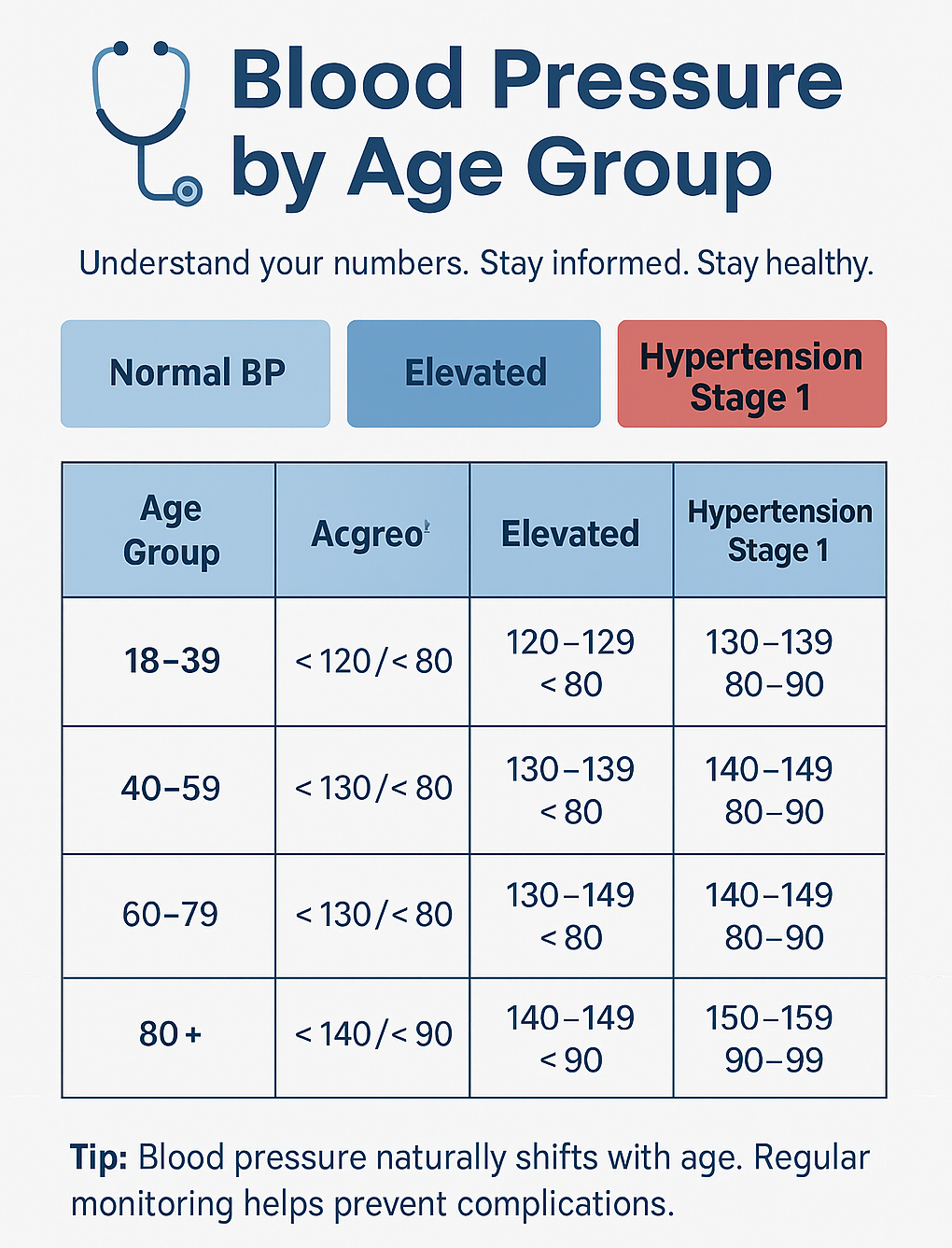
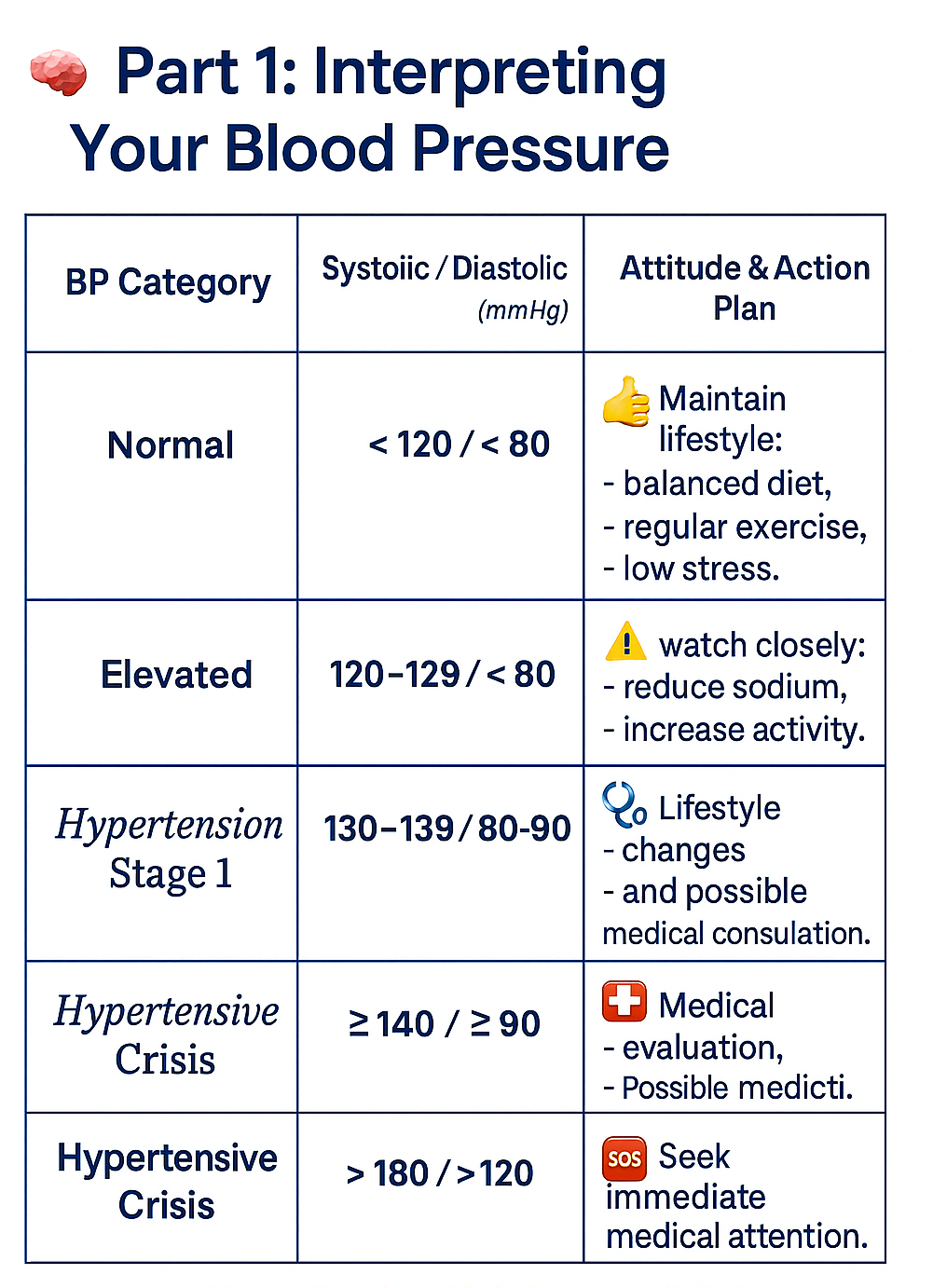
Blood pressure is a vital sign that measures the force exerted by circulating blood against the walls of the arteries as the heart pumps. It is a crucial indicator of cardiovascular health, reflecting how effectively the heart delivers oxygen and nutrients to the body’s tissues. Blood pressure is recorded as two numbers: systolic pressure (the higher number, representing the force when the heart beats) and diastolic pressure (the lower number, indicating the pressure when the heart rests between beats). A normal reading is typically around 120/80 mmHg, but deviations from this range can signal underlying health issues.
Maintaining healthy blood pressure is essential because chronic high or low blood pressure can lead to serious complications. Hypertension (high blood pressure) strains the heart and blood vessels, increasing the risk of heart disease, stroke, and kidney damage. Conversely, hypotension (low blood pressure) may cause dizziness, fainting, and insufficient blood flow to organs. Since blood pressure often presents no obvious symptoms in its early stages, regular monitoring is key to early detection and management.
Symptoms Associated with Blood Pressure
High Blood Pressure (Hypertension):
– Severe headaches
– Blurred or double vision
– Shortness of breath
– Chest pain
– Fatigue or confusion
– Irregular heartbeat
– Pounding in the chest, neck, or ears
Low Blood Pressure (Hypotension):
– Dizziness or lightheadedness
– Fainting (syncope)
– Nausea
– Cold, clammy skin
– Rapid, shallow breathing
– Weakness or fatigue
– Difficulty concentrating
If you experience any of these symptoms persistently, consult a healthcare professional for proper evaluation and treatment.
Lifestyle changes, medication, and regular check-ups can help manage blood pressure effectively
🌿 Part 2: Natural Strategies> Magnesium & Chlorella <🧂 Magnesium: The Vascular RelaxerMagnesium helps relax blood vessels and regulate muscle function, including the heart. Benefits for BP:
|
🌱 Chlorella: The Detoxifying GreenChlorella is a nutrient-dense algae with antioxidant and detoxifying properties.
How to Use:
🧘♂️ Bonus Lifestyle Tips for BP Control
What to Do to Maintain Normal BP
Embrace the DASH diet — rich in fruits, vegetables, whole grains, and low-fat dairy. Limit salt, sugar, and saturated fats.
Aim for 30 minutes of moderate activity (like brisk walking or cycling) most days.
Keep intake below 2,300 mg/day — ideally closer to 1,500 mg.
No more than 1 drink/day for women, 2 for men.
Try meditation, deep breathing, or yoga.
Tobacco raises BP and damages blood vessels.
7–9 hours of quality sleep supports cardiovascular health.
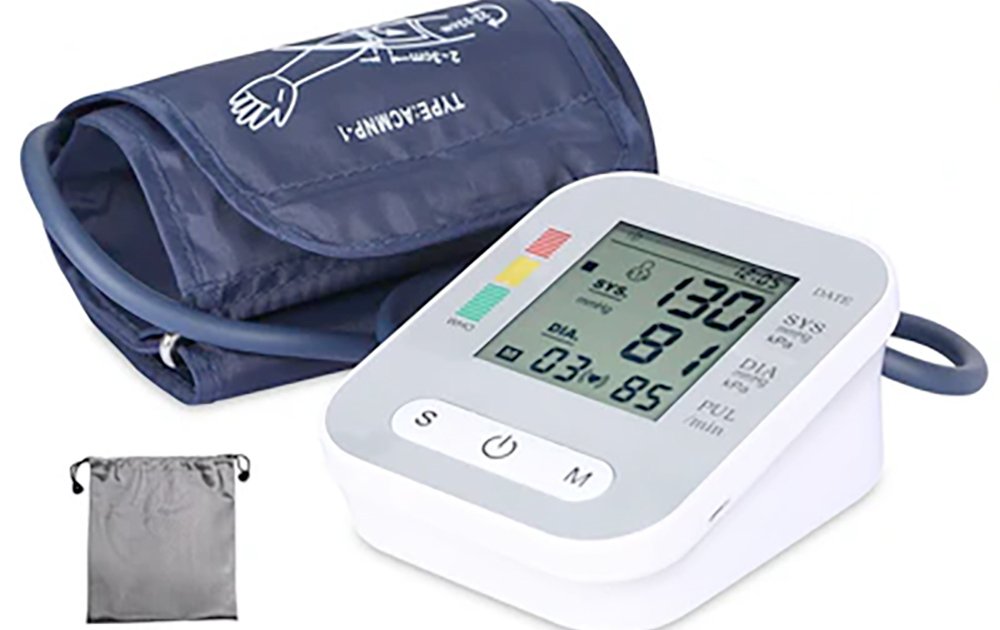
Home BP monitors help track trends and detect issues early. |